
Hose fittings are essential components in modern lubrication systems. They securely connect hoses, tubes, distributors, and lubrication points, ensuring the uninterrupted transfer of oils and greases. Choosing the right connection components plays a key role in maximizing operational reliability, system efficiency, and the service life of machinery and equipment.
Why Are Hose Fittings Important?
In centralized lubrication systems, lubricants must be delivered reliably and without loss to all lubrication points. High-quality hose connectors prevent leaks, minimize pressure losses, and ensure a consistent flow of lubricant. This helps reduce wear, minimize downtime, and lower maintenance costs.
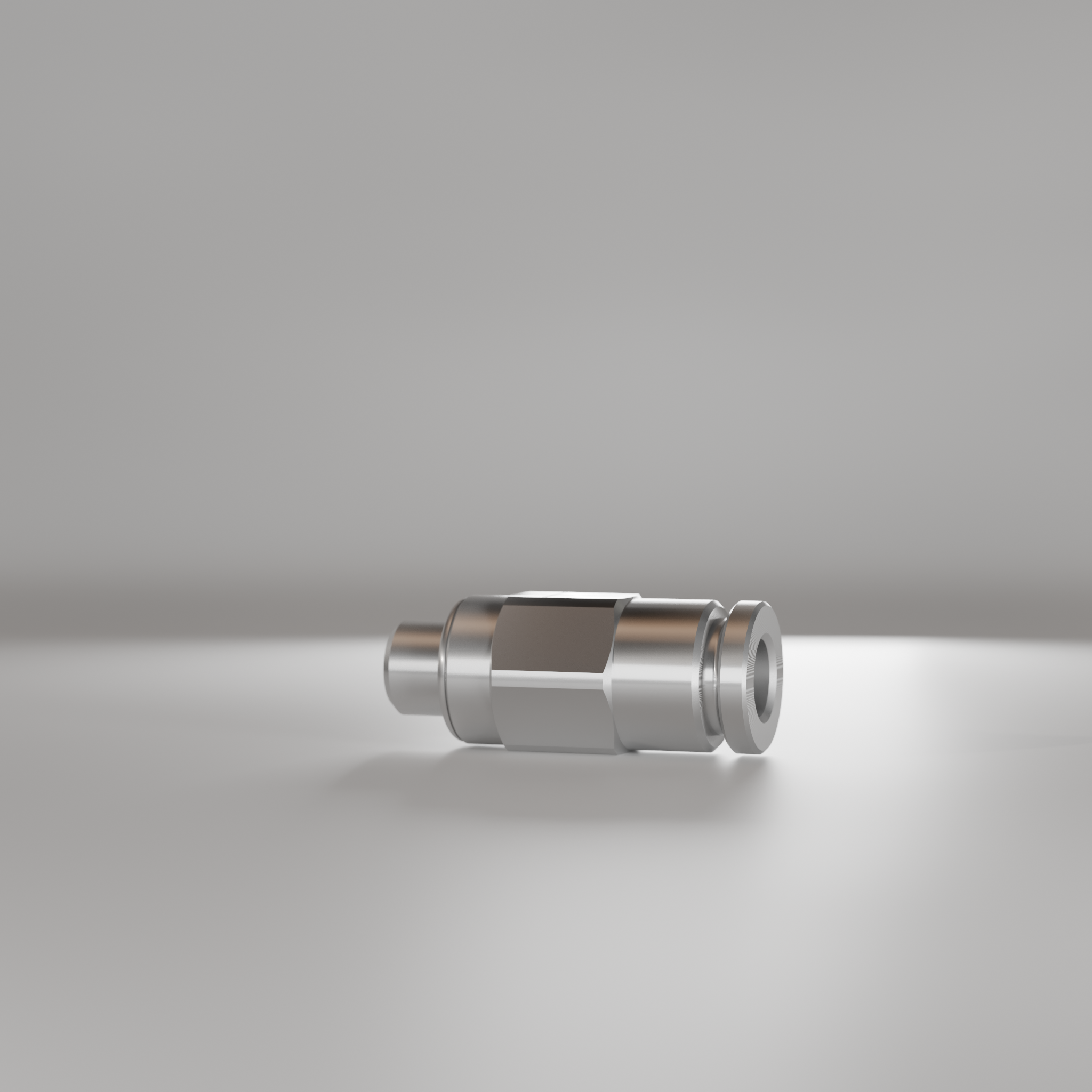
Benefits of Hose Fittings
Secure and Leak-Free Connections
High-quality hose fittings provide reliable sealing, even under pressure fluctuations, vibrations, and demanding operating conditions. This increases process reliability and protects against lubricant loss.
High Durability and Resistance
Connection components made from brass, steel, stainless steel, or plastic are available for a wide range of applications. They offer excellent resistance to oils, greases, moisture, and mechanical stress.
Easy Installation
Push-in fittings, compression fittings, and threaded connections enable quick installation and simplify maintenance and servicing.
Flexible Application Options
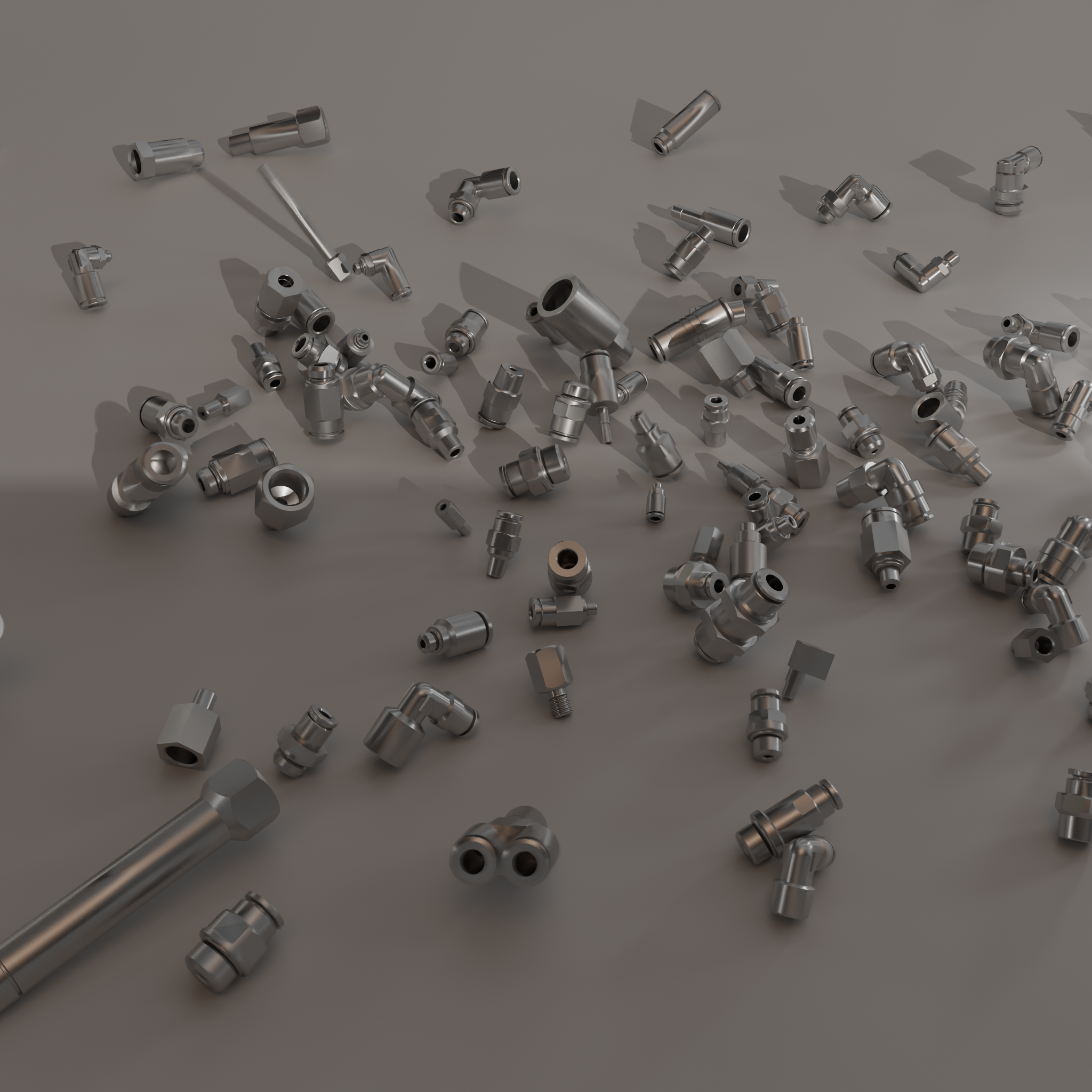
Hose fittings are available in a variety of configurations, including:
- Straight connectors
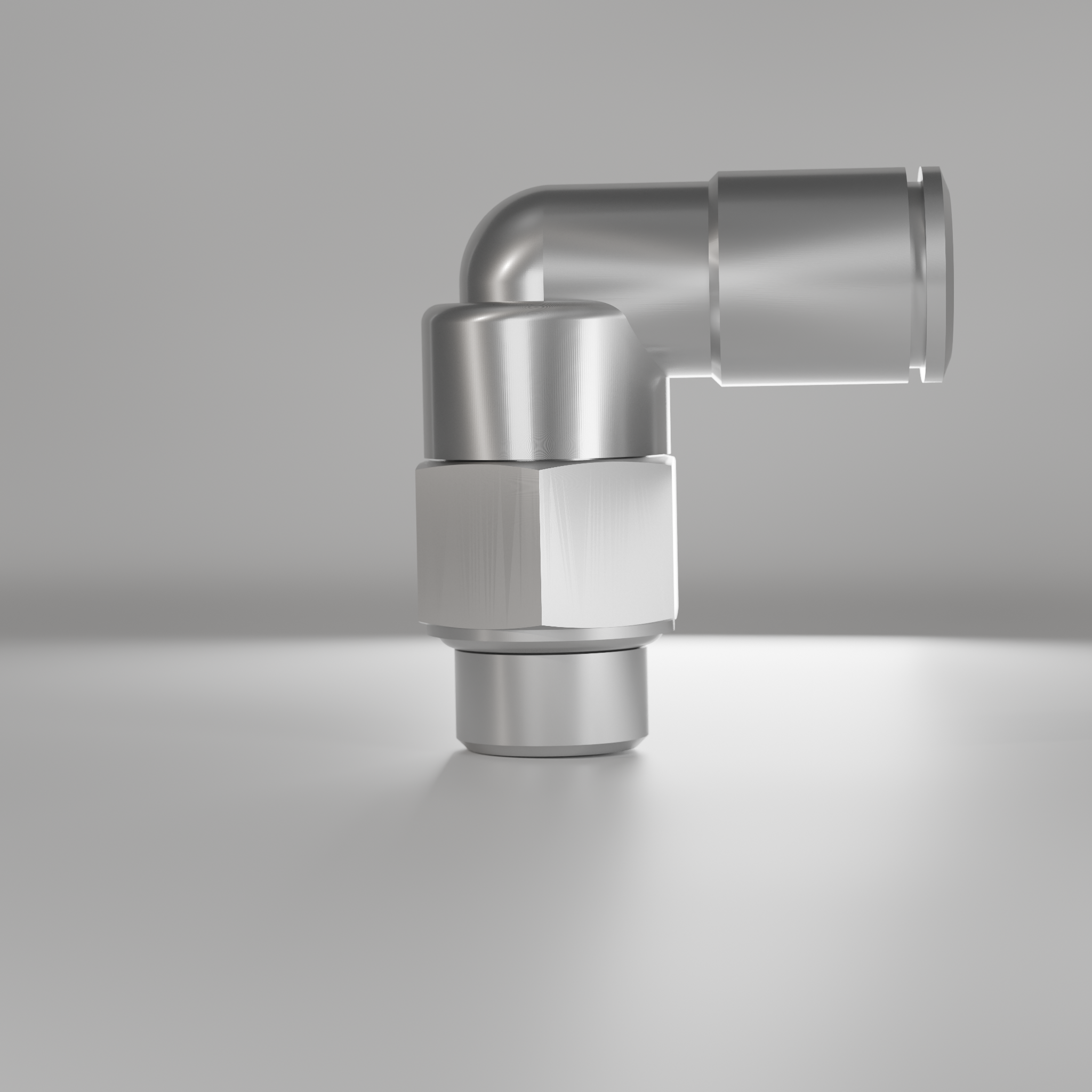
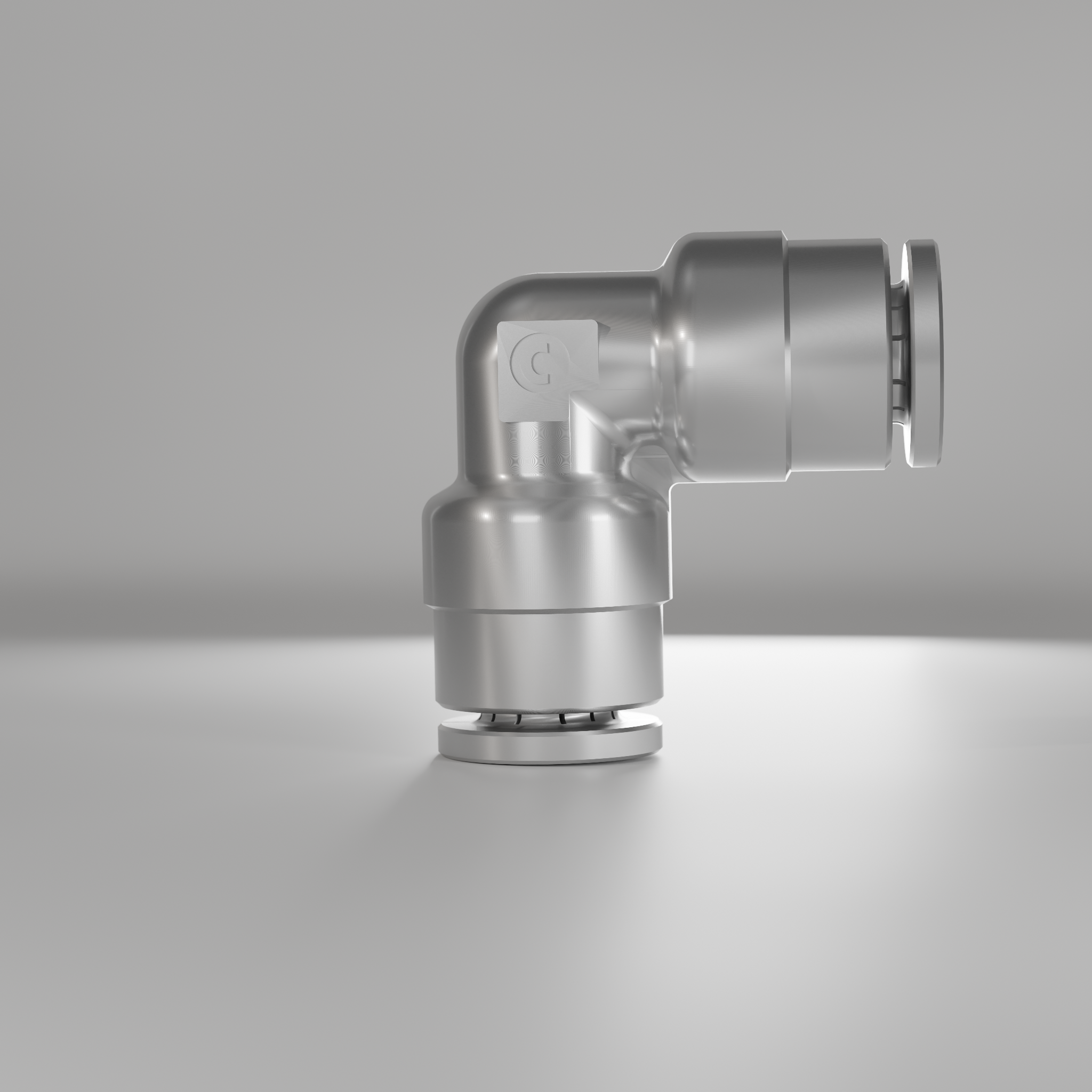
- Elbow connectors
- Tee fittings
- Cross fittings
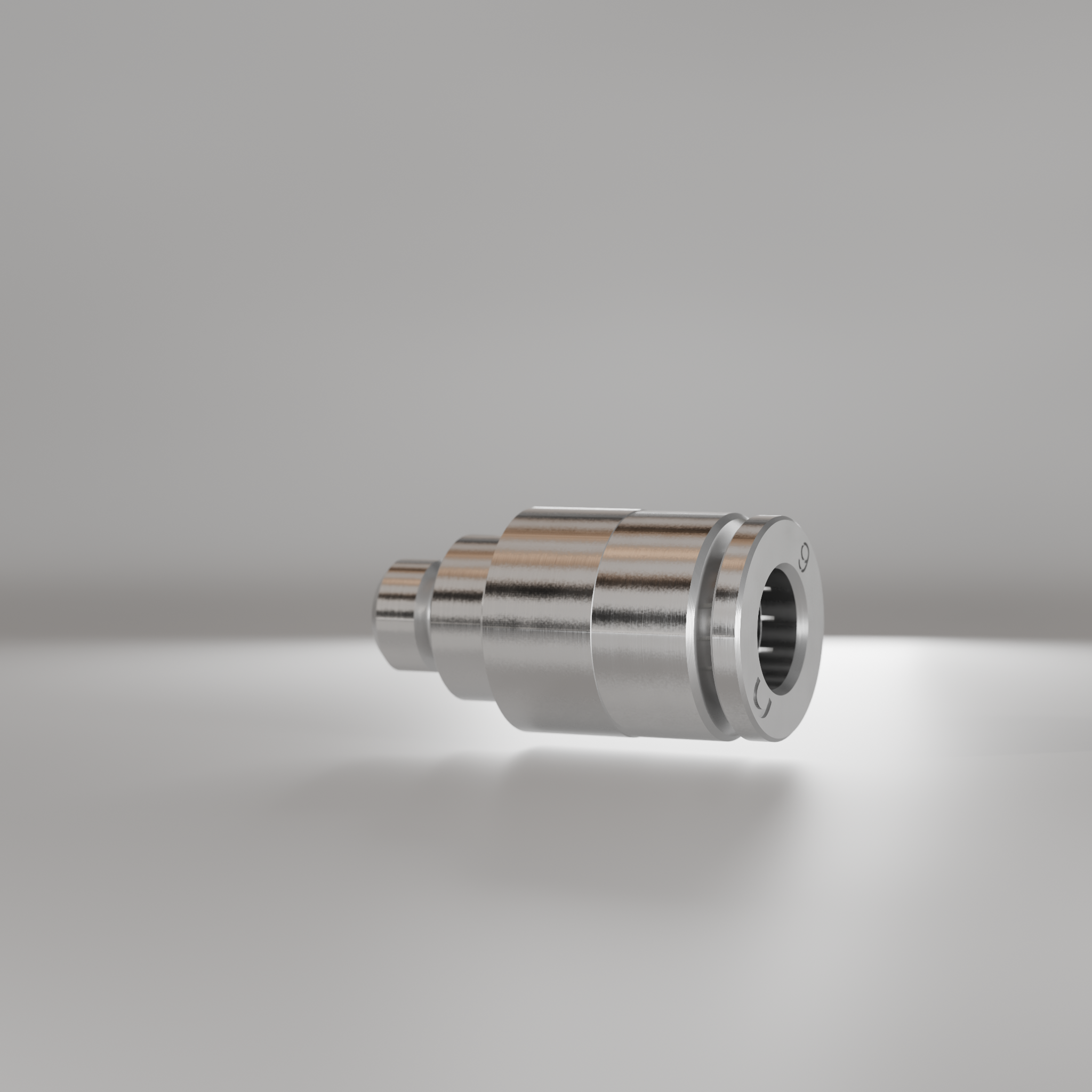
- Reducers
- Bulkhead fittings
- Push-to-connect fittings
This flexibility allows even complex routing requirements to be implemented with ease.
Selecting the Right Hose Fittings
Matching Hose Diameter
For a secure connection, the hose and fitting must be perfectly matched in size. Proper sizing ensures optimal flow performance and prevents leakage.
Choosing the Right Material
The choice of material depends on the operating environment and the lubricant being used.
- Brass: versatile and cost-effective
- Steel: robust and suitable for heavy-duty applications
- Stainless Steel: ideal for corrosive or humid environments
- Plastic: lightweight and corrosion-resistant
Considering Operating Pressure
Each fitting is designed for specific pressure ranges. Selection should always be based on the requirements of the lubrication system to ensure reliable operation.
Temperature Resistance
In applications involving high or fluctuating temperatures, hose connectors and sealing elements must maintain their integrity and performance over time.
Typical Applications
Hose fittings are widely used in:
- Centralized lubrication systems
- Machine tools
- Conveyor systems
- Packaging machinery
- Production equipment
- Agricultural machinery
- Construction equipment
- Hydraulic systems
- Pneumatic systems
Preventing Leaks and Failures
Proper installation is essential for the reliability of any lubrication system. Hoses should be routed without tension, and fittings should be installed according to the manufacturer's specifications. Regular visual inspections help identify wear or damage at an early stage, reducing the risk of unplanned downtime.
Conclusion
Hose fittings are indispensable components for safe and efficient lubricant distribution. The right combination of hose connector, fitting, threaded connection, and material ensures maximum operational reliability, reduced maintenance costs, and a longer service life for your lubrication systems. Investing in high-quality connection technology helps maintain consistent performance and improves the overall efficiency of industrial equipment.